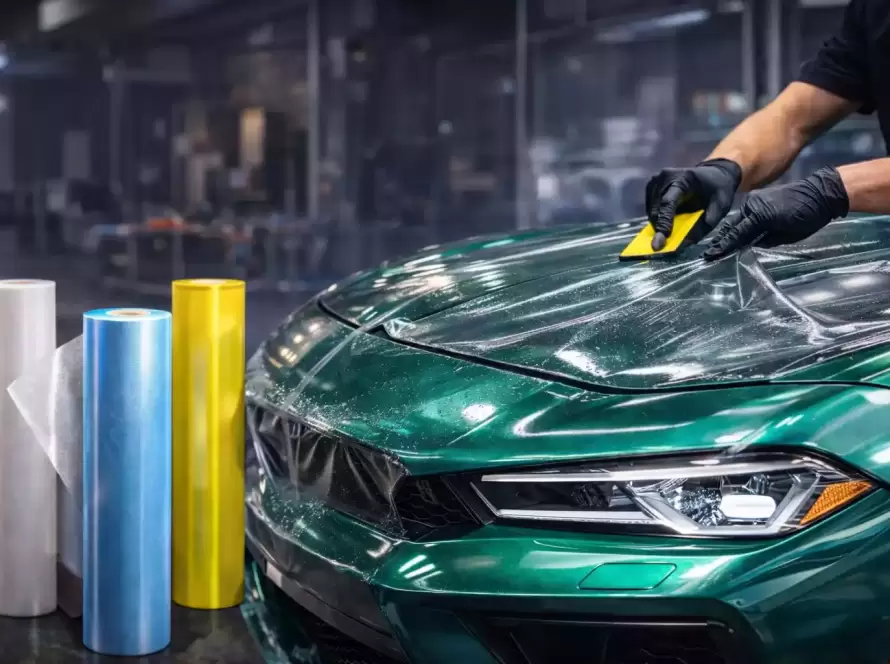
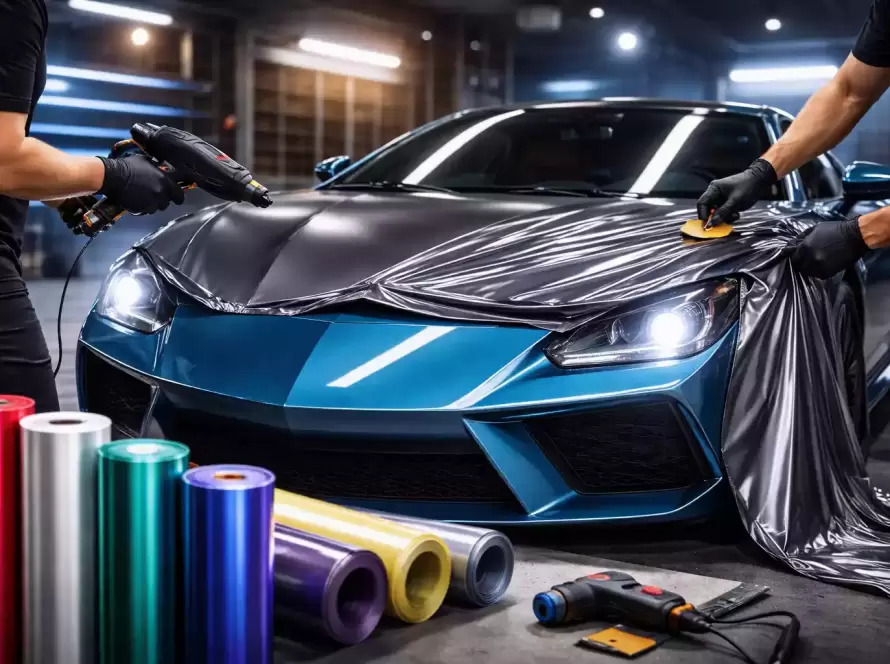
In today’s automotive world, Paint Protection Film (PPF) has become one of the most valuable services offered by professional detailing centres. Vehicle owners want long-lasting protection, ease of maintenance, and a premium finish — and PPF delivers exactly that. But behind the glossy, flawless results lies a complex installation process that demands skill, precision, and the right tools.
At the same time, window tint shops expanding into PPF often discover challenges they didn’t expect. From installation issues to product failures, the transition can be more difficult than it looks.
This blog explores the real problems faced by tint and detailing businesses when installing PPF – and how trusted manufacturers help solve these challenges with better materials, smarter technology, and consistent support.
Unlike window films, which are relatively thin and flexible,PPF is thicker (6–12 mil), stretchable, and requires perfect tension control. Even experienced tint installers face a learning curve when they step into the world of PPF.
PPF installation problems typically fall under three categories:
- Material-Related Issues
- Installer Skill & Technique Gaps
- Environmental & Shop Conditions
Common Problems Tint Shops Face When Working With PPF
1. Adhesive Lines, Silvering & Stretch Marks
Tint installers are used to working with thin window film that needs minimal stretching. But PPF is different:
- Overstretching causesdistortion, silvering, and adhesive lines
- Uneven tension leavesstretch marks visible under sunlight
- Inconsistent squeegee pressure createstrapped moisture or bubbles
2. Solution from Trusted Manufacturers:
High-quality PPF comes withadaptive self-healing adhesives, low-tack properties, and better slip agents, allowing smoother repositioning and stretch control.
PPF must wrap around edges, deep curves, bumpers, door cups, and complex shapes. Tint shops often struggle with:
- Edges that keep lifting after 24–48 hours
- A film that shrinks back due to poor tactics
- Difficulty laying film on curved surfaces
Manufacturer Solution:
Top-tier brands offer:
- Soft polymer structures allowing deeper stretching
- High-tack edge adhesives for strong, long-term bonding
- Pre-cut software and templates for precise fitting
This dramatically reduces installation time and prevents comebacks from unhappy customers.
3. Contamination: Dust, Hair & Debris Under the Film
PPF magnifies imperfections. Even a speck of dust becomes visible once the film cures. Tint shops transitioning into PPF often realize their environment isn’t clean enough.
Challenges include:
- Microscopic dust floating in the air
- Fibers from microfiber towels
- Hair, oil, fingerprints, or shampoo residue
- Poorly controlled humidity
Manufacturer Solution:
Trusted brands provide detailedinstallation guidelines, including recommended:
- Cleaning chemicals
- Surface prep steps
- Tools
- Room humidity control
Some even offertraining programs to teach proper contamination control.
4. Film Yellowing, Cracking, or Peeling Over Time
Customers expect PPF to last5–10 years or more, but low-quality products fail fast.
Problems include:
- UV yellowing
- Cracks in high-heat areas
- Adhesive failure
- Loss of gloss or clarity
Manufacturer Solution:
Premium manufacturers use:
- Aliphatic TPU for non-yellowing performance
- Advanced top coats for UV & chemical resistance
- Long warranties
- Lab testing for durability in harsh climates
This protects the installer’s reputation and saves money on warranty replacements.
5. Lack of Training & Technical Support
PPF requires more technique than window tinting. Without proper training, installers struggle with:
- Stretch zones
- Tack points
- Knife-less tape use
- Alignment for pre-cut kits
- Avoiding adhesive distortion
- Final inspection & curing methods
Manufacturer Solution:
Trusted brands invest heavily in installer training:
- Free or paid certification courses
- Online video libraries
- On-site demos
- Technical Q&A support
- Marketing helps to promote certified shops
Training ensures that a tint shop transitions smoothly into profitable PPF installations
How Trusted Manufacturers Make PPF Installation Easier
Investing in the right PPF brand gives detailers and tint installers a massive advantage. Reliable manufacturers usually offer:
- High-quality TPU film with superior elasticity
- Strong yet flexible adhesives
- Hydrophobic, self-healing top coats
- Clear and matte finish options
- Color PPF for styling
- Pre-cut template software
- Installation training & certification
- Marketing & branding support
This combination eliminates most of the common problems faced by shops and allows them to deliver consistent, premium-quality results.
Why Tint Shops Should Partner With a Trusted PPF Manufacturer
If your detailing or tint business wants to succeed in the PPF market, choosing the right manufacturer is the key.
A good PPF partner provides:
- Product reliability
- Consistent supply
- After-sales support
- Installer training
- Access to templates
- Marketing advantages
- Customer confidenc
Your customers will trust you more when they know you’re using a certified, reputable brand — and that means better sales, fewer returns, and stronger long-term business growth.
Final Thoughts: PPF Is the Future – But Only With the Right Tools
The demand forPaint Protection Film is skyrocketing worldwide. Tint shops and detailing centres that invest in proper training and partner with trusted manufacturers are seeing excellent profits and customer retention.
But success requires:
- Quality film
- Correct installation techniques
- A clean working environment
- Continuous support from manufacturers
When these elements come together, shops can deliver flawless, long-lasting protection that keeps vehicles looking brand new for years.